
Travelling with children changes the way you plan a holiday. Beautiful beaches still matter, but so do shorter travel times, child-friendly activities, comfortable accommodation, safe transport, and destinations that keep everyone — from toddlers to teenagers — engaged. The good news is that Sri Lanka is one of Asia's most rewarding family destinations.
Within a relatively small island, families can experience wildlife safaris, scenic train journeys, golden beaches, tea plantations, ancient temples, turtle hatcheries and waterfalls — all without another international flight. One day your children could be spotting elephants in the wild; the next, watching sea turtles or riding one of the world's most scenic mountain trains. Unlike destinations built around a single attraction, Sri Lanka offers variety, which makes it ideal for families with different ages and interests. This guide covers what to expect, how to plan wisely, and how to create a journey that's enjoyable for parents and children alike.
Quick answer: Yes — Sri Lanka is an excellent family destination. It packs wildlife safaris, family beaches, scenic trains, turtle conservation and tea country into short distances, with warm, welcoming people and good value for a long-haul trip. The secret isn't seeing everything — it's choosing an itinerary matched to your children's ages, interests and energy levels, and pacing it with two to three nights per stop.
Why Sri Lanka Is Perfect for Family Holidays
One of Sri Lanka's greatest strengths is its diversity. Rather than spending a whole week in one place, families can enjoy several completely different experiences in a single trip — watching elephants on safari, riding through misty mountains on a scenic train, meeting baby turtles at a conservation centre, building sandcastles on palm-fringed beaches, walking through lush tea plantations, or taking a gentle boat ride across a tranquil lake. Few destinations offer such variety within relatively short travel distances, and for many parents it's that blend of education, adventure and relaxation that makes Sri Lanka so memorable.

Is Sri Lanka Suitable for Children of All Ages?
Absolutely — but your itinerary should reflect your family's needs.
👶 Babies & toddlers (0–3 years)
Sri Lanka works well for young families when travel days are kept manageable. Focus on beach resorts, comfortable hotels, short transfer times, relaxed sightseeing and plenty of downtime.
🧒 Young children (4–8 years)
Often the perfect age for Sri Lanka's wildlife and outdoors. Popular choices include jeep safaris, turtle hatcheries, train rides, botanical gardens, gentle boat trips and beaches with calm water.
👦 Older children & teenagers
Older kids tend to enjoy surf lessons, zip-lining, hiking, white-water rafting (age dependent), whale watching, cultural landmarks and adventure parks. Sri Lanka's variety means older siblings stay just as engaged as younger ones.

Family Experiences You Shouldn't Miss
🐘 Wildlife safaris
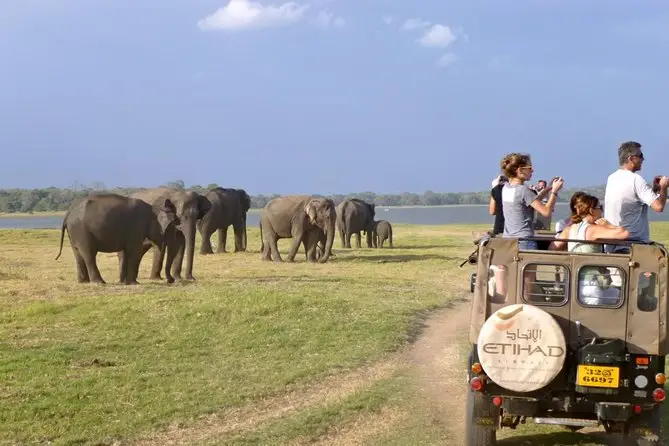
Sri Lanka is one of the best places in Asia to introduce children to wildlife. National parks such as Yala, Udawalawe and Minneriya offer the chance to see elephants, deer, crocodiles, monkeys, buffalo and countless birds in the wild. Udawalawe in particular is a favourite with families because elephant sightings are near-reliable, and drives are usually kept to a manageable morning. The thrill of spotting animals from an open jeep is often the trip's highlight.
🚂 The Hill Country train journey
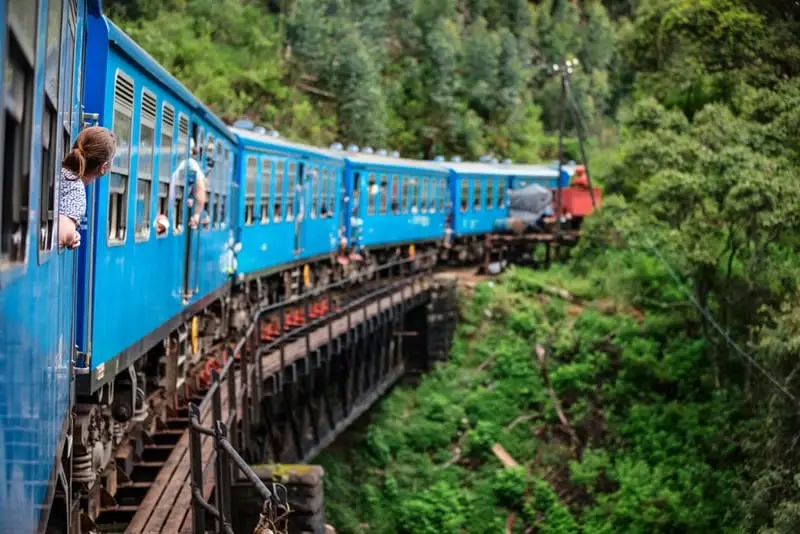
The train between Kandy and Ella is famous worldwide, and for children it isn't just transport — it's an adventure. Rolling tea estates, waterfalls, tunnels and mountain scenery keep the whole family entertained. It's a long ride (around six to seven hours end to end), so many families do a shorter, scenic section such as Nanu Oya/Nuwara Eliya to Ella.
🐢 Turtle conservation
Visiting a turtle hatchery is both educational and memorable, letting children learn about marine conservation while seeing rescued turtles and — depending on timing — newly hatched turtles heading for the ocean. Choose a reputable, conservation-focused centre that prioritises the animals' welfare over handling.

🏖 Beach time
Sri Lanka's coastline offers plenty of chances to slow down, and many family-friendly resorts provide swimming pools, spacious gardens, kids' menus, easy beach access and water sports for older children.
🍃 Tea country
The cool climate of the central highlands is a welcome change after the tropical coast. Families can explore tea plantations, enjoy scenic viewpoints and see a completely different side of the island.
Planning a Family-Friendly Itinerary
One of the biggest mistakes families make is trying to see too much in too little time. Although Sri Lanka is compact, travel between regions takes longer than many visitors expect — the southern expressway makes Colombo to the south coast quick (around two hours), but hill-country roads are winding and slow, and Colombo to Kandy is typically three to four hours. Rather than changing hotels every night, spend two or three nights in each destination. That lets children settle in and gives everyone time to relax between sightseeing — quality experiences almost always create better memories than rushed schedules.
A simple family route: many families follow a Beach → Hill Country → Safari → Beach (or the Maldives) loop over 10–14 days. It balances adventure early with relaxation at the end, and keeps individual drives reasonable.
Where Families Usually Stay
The best accommodation depends on your travel style, and many families mix a few types: beach resorts for relaxation, Hill Country hotels for cooler weather, safari lodges near the national parks, and boutique hotels for the cultural sites. Properties with swimming pools, interconnecting rooms and family suites are worth prioritising, especially with younger children.

Food & Dining
Parents are often pleasantly surprised by the variety of food available. Alongside authentic Sri Lankan cuisine, most hotels and resorts serve familiar favourites — pasta, pizza, rice dishes, fresh fruit, grilled chicken, soups and sandwiches. Sri Lankan curries can be adjusted to be mild, and most properties are happy to accommodate children's preferences or dietary needs when told in advance.
Health & Safety
Sri Lanka is generally a welcoming, straightforward destination for families, and a few sensible precautions go a long way. Reassuringly, the country was certified malaria-free by the World Health Organization in 2016; dengue, however, is present, so mosquito repellent (especially around dawn and dusk), long sleeves in the evening and air-conditioned or screened rooms are worth prioritising. Beyond that: stay hydrated, use sunscreen, carry any essential medications, follow your guide's instructions during wildlife activities, and travel with comprehensive family travel insurance. Check current routine vaccinations with your doctor before you go.
Do Children Need a Visa?
Yes — every traveller, including infants and children, needs their own Sri Lanka ETA (Electronic Travel Authorization), linked to their passport. The good news for 2026: the tourist ETA is now issued free of charge to around 40 nationalities, including the UK, US, EU countries, Australia and India. It's free, but still required, so apply for one per family member through the official government portal before you travel, and avoid third-party sites that add a fee.
Packing Essentials
Pack light — it makes moving between destinations much easier. The essentials:
- Lightweight clothing and comfortable walking shoes
- Swimwear, hats and sunglasses
- High-factor sunscreen and insect repellent
- Reusable water bottles
- A basic first-aid kit and any essential medications
- Small entertainment for longer drives
Common Mistakes Families Make
Trying to visit too many places. Children usually enjoy fewer destinations with more time to explore each one.
Underestimating driving times. Road journeys can take longer than expected — build in regular breaks and avoid overly ambitious days.
Skipping rest days. Not every day needs to be packed; time at the pool or beach is often just as valuable.
Choosing hotels on price alone. Family facilities, room size and location often deliver far better value than the cheapest option.
Why Families Love Combining Sri Lanka with the Maldives
Many families end their Sri Lanka adventure with a few relaxing days in the Maldives, and it's an ideal pairing. Children get the excitement of wildlife and exploration in Sri Lanka, while parents get to unwind in the Maldives before the journey home — a balanced holiday of discovery, quality family time and relaxation. The two are a short flight apart, which makes the combination easy to arrange.

Final Thoughts
A family holiday isn't about ticking off the most attractions — it's about creating moments you'll talk about for years: watching your children spot their first wild elephant, sharing a train ride through the mountains, building sandcastles on a quiet beach. Sri Lanka has a wonderful way of bringing those moments together. With thoughtful planning, realistic pacing and the right itinerary, it can become one of the most rewarding family destinations you'll ever visit.
Family Travel FAQs
Is Sri Lanka safe for travelling with kids?
Yes — it's generally a welcoming, family-friendly destination. Take the usual sensible precautions with sun, hydration and mosquitoes (dengue is present), follow guides during wildlife activities, and travel with good family insurance.
What's the best time to visit Sri Lanka with children?
There's good weather somewhere year-round. The south and west coasts and Hill Country are best from around December to April; the east coast is best from about May to September. Choose your regions to match your travel dates.
What's the best age to take children to Sri Lanka?
Every age works with the right itinerary. Ages 4–8 are ideal for wildlife and outdoor experiences; babies and toddlers do well with beach-based, slower trips; and teenagers enjoy the adventure activities and culture.
Do children need a visa for Sri Lanka?
Yes, every child needs their own ETA linked to their passport. As of 2026 it's free for around 40 nationalities (including the UK, US, EU, Australia and India) but still required — apply via the official portal before travelling.
How long should a family trip to Sri Lanka be?
Ten to fourteen days is ideal, allowing two to three nights per stop without rushing. Shorter trips work best if you focus on one or two regions rather than the whole island.
Is there malaria in Sri Lanka?
No — Sri Lanka was certified malaria-free by the WHO in 2016. Dengue is present, though, so mosquito precautions are still recommended. Check routine vaccinations with your doctor before travel.
