


The number everyone is sharing today
On 11 August 2026, Sri Lankan outlets began reporting that the country had crossed 1.4 million tourist arrivals for the year. The exact figure, per the Sri Lanka Tourism Development Authority: 1,408,620 visitors between 1 January and 9 August.
It is a genuinely large number, and it will be republished today as a headline about a tourism boom. It is worth fifteen seconds of scepticism before you plan a trip around it.
1.4 million is what arrived. It says nothing about whether that is more or fewer people than last year.
A cumulative year-to-date total only ever goes up. Every day that passes, the number gets bigger, regardless of whether Sri Lanka is having a strong year or a weak one. On its own, it tells you almost nothing about the direction of travel — and the direction is the part that actually matters if you are deciding whether to book now, wait, or expect crowds.
What SLTDA's own reports actually show
The Tourism Development Authority publishes detailed monthly reports with year-on-year comparisons. Read against 2025, the picture is considerably calmer than "surge" or "boom" suggests.
| Period | 2026 arrivals | Change vs 2025 |
|---|---|---|
| January–June 2026 | 1,146,573 | −1.84% |
| July 2026 | 196,845 | −1.7% (vs 200,244 in July 2025) |
| 1 Jan – 9 Aug 2026 (cumulative) | 1,408,620 | Not a growth measure — see note |
Source: Sri Lanka Tourism Development Authority, monthly and weekly arrivals reports, verified 12 August 2026. The cumulative Jan–Aug 9 figure is not directly comparable to a prior-year period in SLTDA's published reporting, which compares full months rather than partial ones.
The consistent theme across every month SLTDA has actually compared year-on-year is the same: arrivals are running slightly behind 2025, not ahead of it. February was the strongest single month of 2026 at 279,328 arrivals — still part of a year that, taken as a whole, has not outperformed the one before it.
Why arrivals softened in 2026
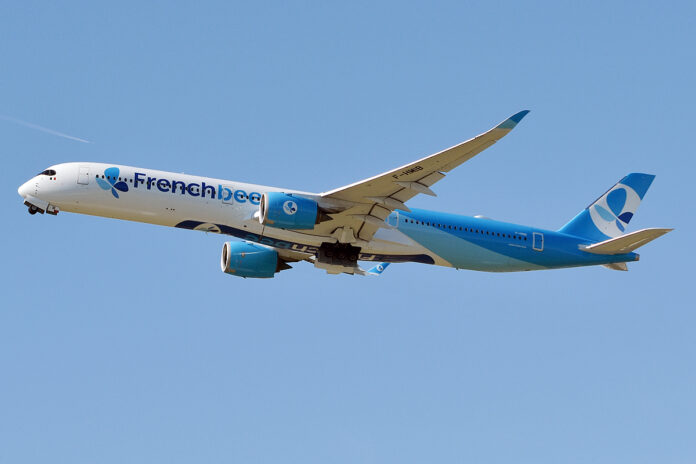
The dip is not a story about Sri Lanka losing its appeal. It traces back to a single external event: the escalation of the Middle East conflict at the end of February 2026, which closed Gulf airspace for an extended period and disrupted connecting flights across the region.
A meaningful share of Sri Lanka's long-haul visitors, particularly from Europe, route through Gulf hubs. When that corridor closed, itineraries were cancelled or rerouted, and some travellers simply postponed rather than rebooking around the disruption.
The financial impact went beyond visitor numbers. Sri Lanka's tourism earnings fell 12% in the first half of 2026 to roughly US$1.51 billion, prompting the government to formally revise its full-year targets — down from **3 million arrivals and US$4 billion in revenue** to a more realistic **2.5 million arrivals and US$3.5 billion**, as reported by the Daily FT.
That downgrade, quietly announced mid-year, is arguably more newsworthy than today's 1.4 million headline. It is also the part almost nobody is putting next to the good news.
Where the visitors are actually coming from
One thing the cumulative figure does show clearly: India's position as Sri Lanka's dominant source market has only strengthened.
| Country | Arrivals (YTD) |
|---|---|
| India | 351,713 |
| United Kingdom | 137,861 |
| China | 92,940 |
Source: SLTDA, via Ada Derana, 11 August 2026.
India alone accounts for roughly a quarter of all arrivals so far this year — more than the UK and China combined. For anyone building a Sri Lanka itinerary aimed at the Indian market, or comparing notes on why certain resorts and routes feel busier than others, that concentration is the number worth remembering, not the 1.4 million headline.
What this actually means if you are planning a trip
Strip away the framing and the practical takeaway is straightforward, and genuinely useful.
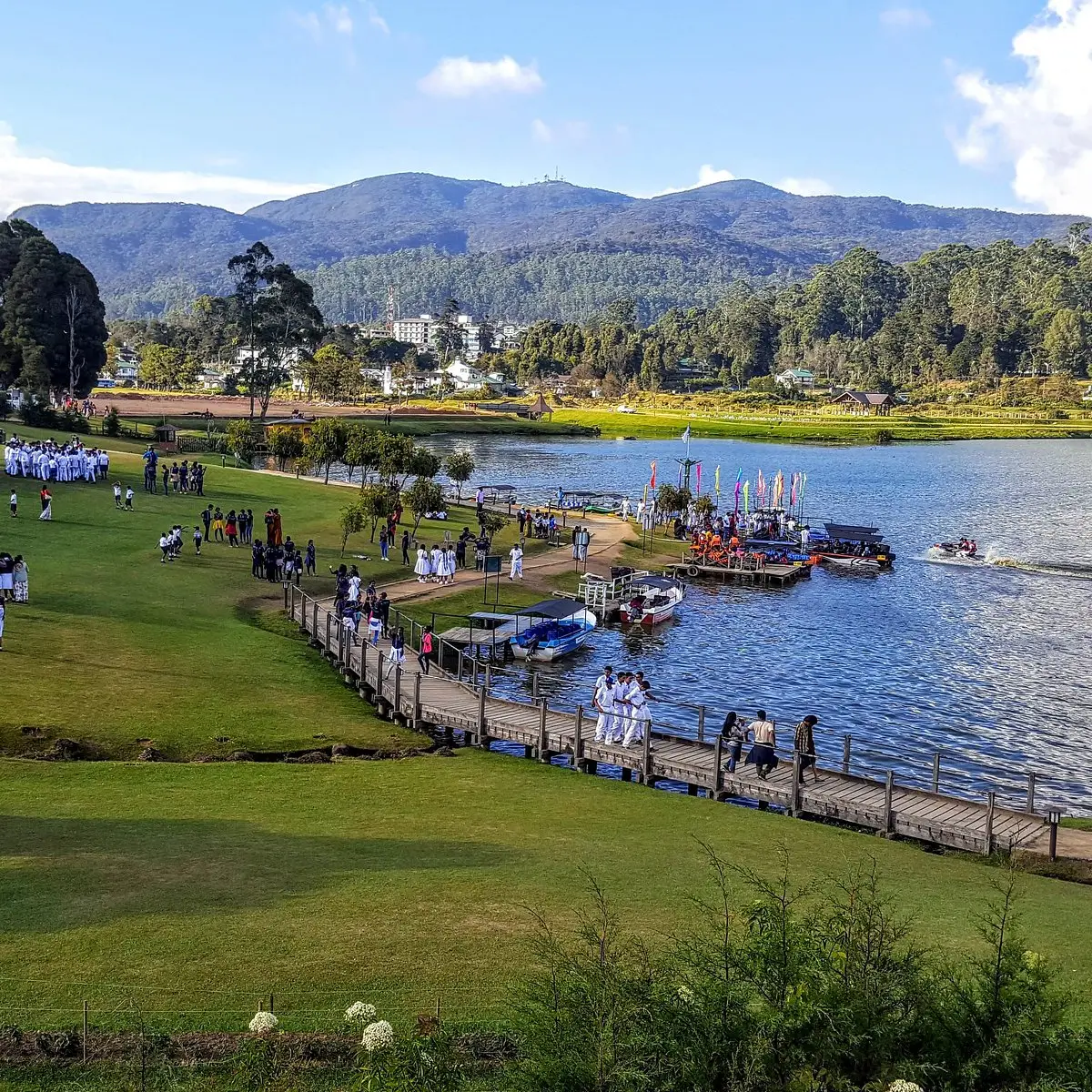
Sri Lanka is not overcrowded in 2026. A year running slightly behind 2025 is not a year of overtourism. If your hesitation about booking has been a fear of packed beaches, overbooked hotels or hard-to-get restaurant tables, the data does not support that concern right now.
Softer demand tends to mean better availability and sharper rates. Hotels and resorts that budgeted for a stronger year are, in general, more willing to compete on price and more likely to have the room category or dates you want. This is not guaranteed at every property, but it is the honest direction the market is leaning.
The disruption was regional, not local. Nothing about the softer numbers reflects conditions inside Sri Lanka. The country remains fully open, and the shortfall traces to flight routing through the Gulf rather than anything happening on the ground.
How to read Sri Lanka tourism headlines from here on
This is not the last "record" headline Sri Lanka tourism will produce this year. Cumulative totals are round, shareable and always trending upward, which is precisely why they get republished so widely. A simple rule protects you from being misled by the next one:
If a tourism statistic isn't compared to the same period last year, treat it as a running total, not a trend. "1.4 million so far" tells you the size of the year. Only a year-on-year comparison tells you whether that year is going well.
Thinking about Sri Lanka for your next trip? With arrivals running slightly behind 2025, this is a genuinely good window for availability and rates across the south coast, hill country and Cultural Triangle. Zaha Travels can build a Sri Lanka itinerary around current conditions — or pair it with the Maldives on one trip.
Frequently asked questions
How many tourists have visited Sri Lanka in 2026?
Sri Lanka recorded 1,408,620 tourist arrivals between 1 January and 9 August 2026, according to the Sri Lanka Tourism Development Authority. This is a cumulative year-to-date total rather than a measure of growth.
Is Sri Lanka tourism growing or declining in 2026?
Arrivals are essentially flat to slightly down. SLTDA's own figures show January to June 2026 arrivals at 1,146,573, a decline of 1.84% compared to the same period in 2025. July 2026 arrivals fell 1.7% year on year to 196,845.
Why did Sri Lanka's tourism revenue target get cut in 2026?
Airspace closures and flight disruption following the escalation of the Middle East conflict in early 2026 reduced arrivals from several key markets. Sri Lanka's government responded by revising its 2026 targets down from 3 million visitors and US$4 billion in revenue to 2.5 million visitors and US$3.5 billion.
Which countries send the most tourists to Sri Lanka?
India is by far the largest source market, with 351,713 arrivals in the year to 9 August 2026. The United Kingdom follows with 137,861, and China with 92,940.
Is now a good time to book a trip to Sri Lanka?
Softer-than-expected arrivals in 2026 have generally meant better resort and hotel availability and more competitive rates than in a genuine boom year, without any reduction in what the destination offers. For travellers with flexible dates, current conditions favour booking rather than waiting.
Is it safe to travel to Sri Lanka in 2026?
Sri Lanka remains open and welcoming to tourists throughout 2026. Arrivals softened mainly due to regional flight disruption linked to the Middle East conflict rather than any change in on-the-ground conditions within Sri Lanka itself.
How we verified this
Arrivals and revenue figures are taken directly from the Sri Lanka Tourism Development Authority's published monthly and weekly reports, cross-checked against Ada Derana's 11 August 2026 report on the cumulative total and the Daily FT's coverage of the revised 2026 targets. We compare every headline figure against SLTDA's own year-on-year data before publishing, and will update this article as the August monthly report is released.
