Why the Maldives Banned Shark Fishing and Why It Matters
In a world where shark populations are plummeting and oceans are becoming increasingly fragile, the Maldives stands out as a rare success story. Since 2010, the Maldives has enforced a nation wide ban on shark fishing, making its waters one of the few sanctuaries for these misunderstood predators. But why was this ban necessary, and why does it matter now more than ever
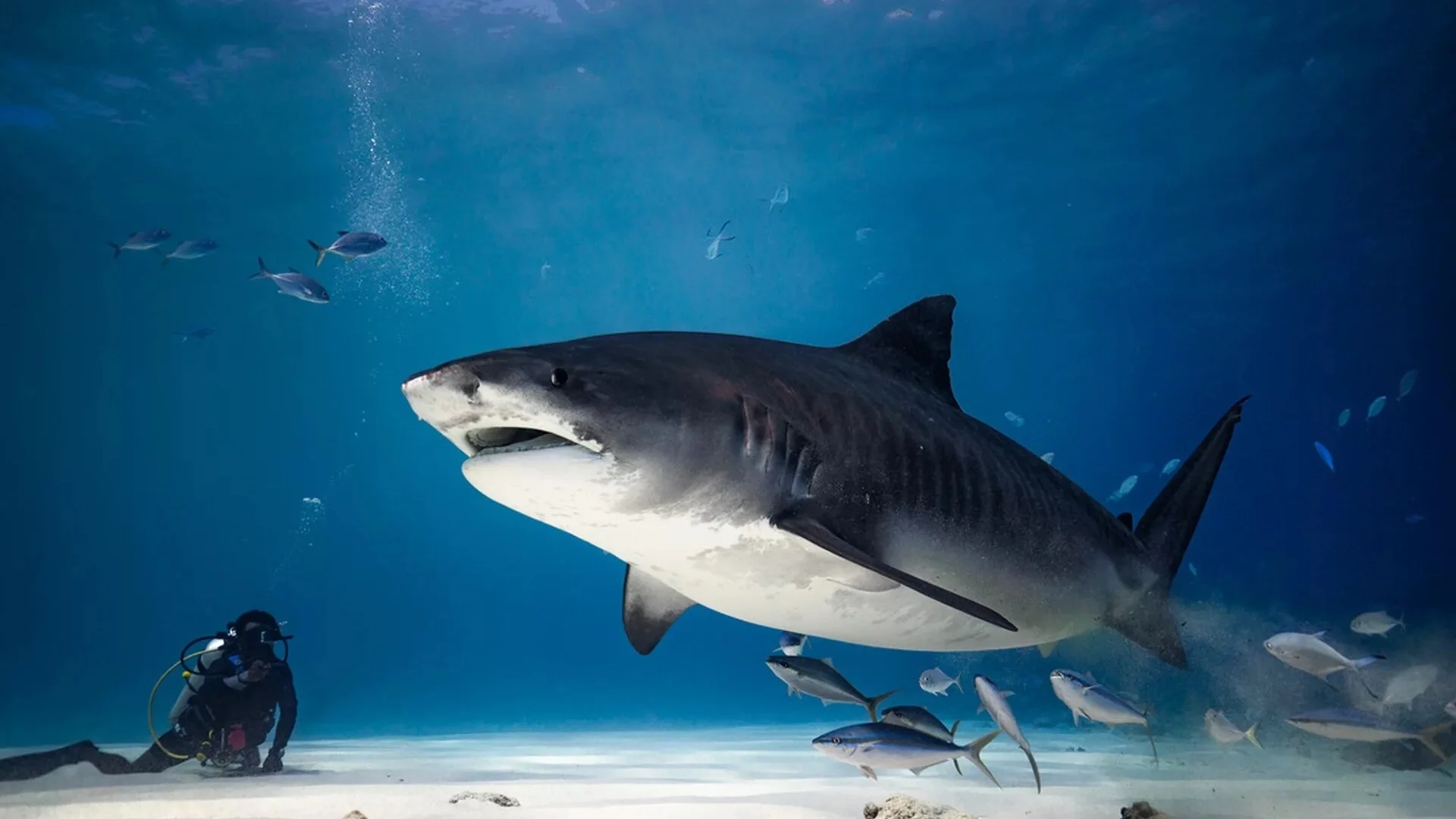
Netflix’s recent documentary series All the Sharks has cast a bright light on this question especially in its premiere episode set in the southern Maldives island of Fuvahmulah, where tiger sharks patrol crystal-clear waters like living legends.
Let’s dive into what makes this policy so critical and how travelers can play a part in protecting it.
The Backstory: What Sparked the Ban?
For years, sharks in the Maldives were targeted for their fins, meat, and liver oil. Their fins were especially valuable in international markets, fueling a brutal trade that decimated populations. By the late 2000s, divers and conservationists began raising alarms shark numbers were falling dramatically, and tourism operators noticed the change.
In 2010, the government took a bold step: it declared a full ban on shark fishing and the export of shark products. All shark fishing gear was prohibited, and shark sanctuaries were established throughout the country’s vast Exclusive Economic Zone (EEZ).
This decision came at a financial cost. Shark fins were profitable, but the Maldives chose long-term sustainability and tourism value over short-term exploitation.

Why the Ban Matters for Sharks and for Us
1. Sharks Are Essential to Ocean Health
Sharks are apex predators. They keep marine ecosystems balanced by controlling prey populations and promoting biodiversity. Without sharks, coral reefs and fish stocks suffer.
2. Sharks Are Worth More Alive Than Dead
Studies show that a live shark can generate hundreds of thousands of dollars in dive tourism over its lifetime — far more than the one-time value of its fins.
The Maldives’ economy relies heavily on marine tourism. A healthy shark population means thriving coral reefs, vibrant dive sites, and a sustainable source of income for generations.
3. The Ban Works
Over a decade later, the Maldives remains one of the only places in the world where you’re guaranteed to see sharks — especially in places like Fuvahmulah, where tiger sharks are spotted on almost every dive.

Enter Netflix: Fuvahmulah’s Global Debut
In the Netflix series All the Sharks, four teams of scientists and photographers race to capture rare shark species on camera. The very first episode “Eye of the Tiger Shark” is set in Fuvahmulah, where the density of tiger sharks is unlike anywhere else in the world.
Over six years, researchers identified 239 individual tiger sharks around the island. Most of them return regularly — especially pregnant females, who use Fuvahmulah as a safe haven to gestate.
The show makes one thing clear: this level of shark abundance is incredibly rare and only possible because of the Maldives’ strict protections.
What You Can Do as a Traveler
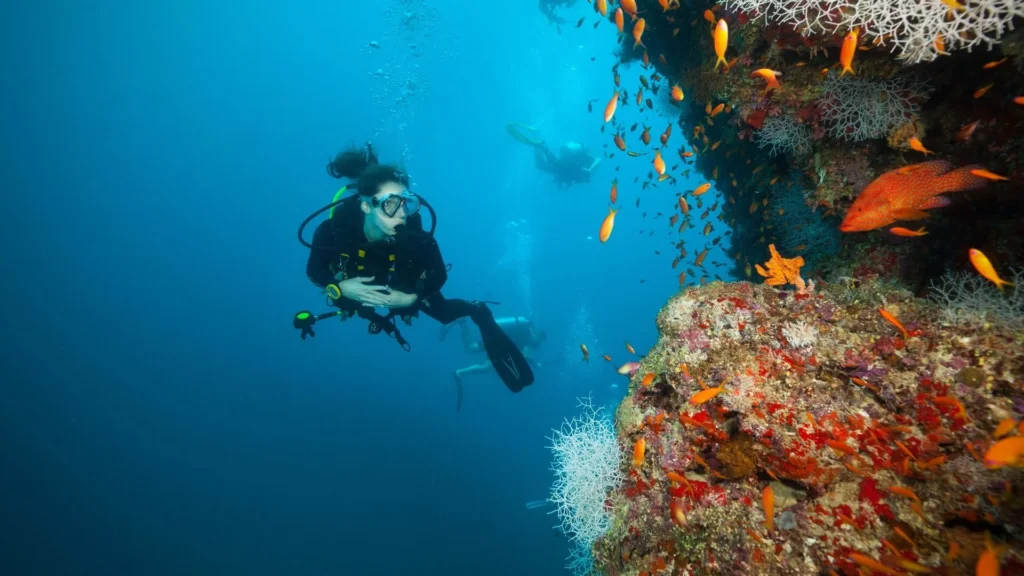
If you’re planning a trip to the Maldives or anywhere sharks call home here’s how you can help protect them:
Choose Responsible Dive Operators
Look for dive centers that follow ethical shark diving guidelines: no feeding, no touching, and no baiting.
Respect Marine Life
Never buy shark souvenirs. Avoid restaurants that serve shark meat. Speak out if you see illegal practices.
Learn, Share, Advocate
Watch All the Sharks. Talk about it. Share what you learn with others. The more people understand sharks, the more we can protect them.
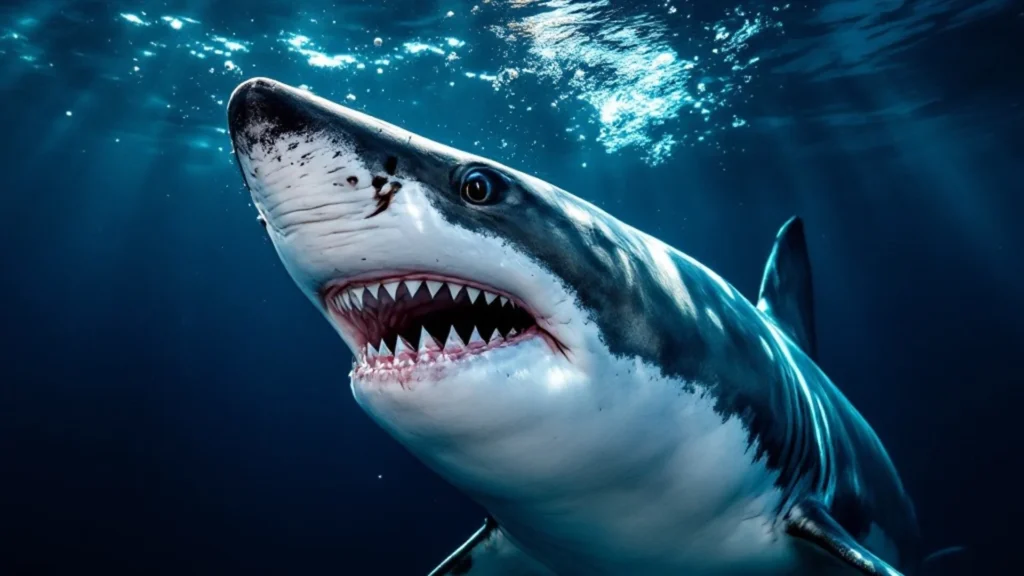

Sharks are not monsters they’re guardians of the sea. The Maldives proved that protecting them is not only possible, but powerful.