The Maldives: A Guide to the Best Time to Visit
Choosing the perfect time to visit the Maldives is key to a dream vacation, but it’s important to understand the country’s two main seasons. The Maldives has a tropical climate year-round, with consistently warm temperatures hovering between 25°C and 32°C. The main factor that distinguishes one month from another is the amount of rainfall, which is governed by two monsoons: the dry northeast monsoon and the wet southwest monsoon. Knowing the difference between these periods can help you decide what’s best for your travel style and budget.
The dry season, which runs from December to April, is widely considered the peak season for tourism. During these months, you can expect long hours of brilliant sunshine, low humidity, and calm seas. The clear water offers excellent visibility, making it the perfect time for diving and snorkeling to explore the vibrant coral reefs. However, this ideal weather comes with a price. Resorts are at their most expensive and most crowded, especially during the Christmas and New Year holidays, and require booking well in advance.

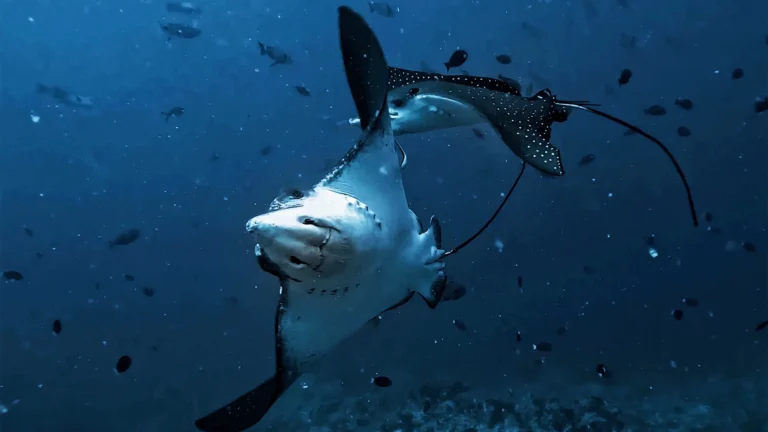
From May to November, the Maldives enters its wet season, characterized by the southwest monsoon. While the name might sound daunting, it doesn’t mean your entire vacation will be a washout. Rain typically comes in the form of short, heavy bursts, often lasting for only a few hours before the sun returns. The skies can be more dramatic and cloudier, but these months offer significant advantages. Resort prices are at their lowest, and there are fewer crowds, offering a more peaceful and intimate experience. For divers and marine life enthusiasts, this season is particularly rewarding, as the nutrient-rich waters attract large marine creatures like manta rays and whale sharks.
Ultimately, there is no single “bad” time to visit the Maldives; it simply depends on your priorities. If guaranteed sunshine, calm waters, and a classic luxury escape are your top priorities, the dry season is your best bet. If you are a budget-conscious traveler or a marine life enthusiast who doesn’t mind the occasional tropical downpour, the wet season offers incredible value and unique underwater encounters. For a balance of good weather and lower prices, consider traveling during the shoulder months of November or late April when the seasons are transitioning.